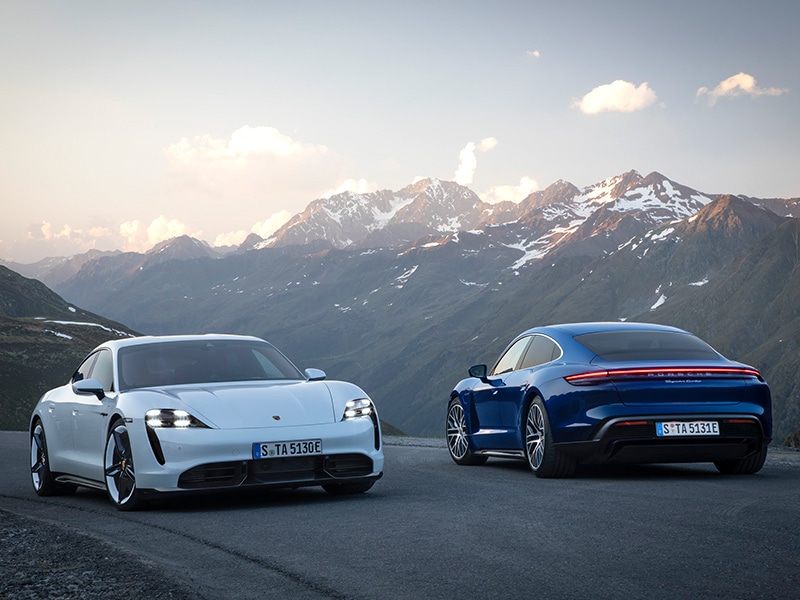
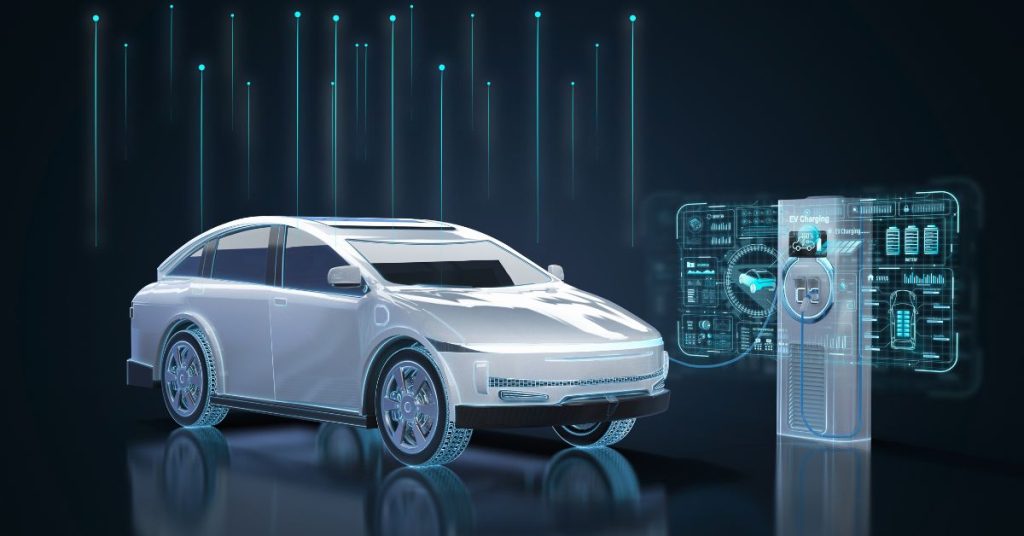
Electric vehicles (EVs) are becoming an important part of modern transportation because they help reduce air pollution and dependence on fossil fuels.
There are four main types of electric vehicles: Battery Electric Vehicles (BEVs), Plug-in Hybrid Electric Vehicles (PHEVs), Hybrid Electric Vehicles (HEVs), and Fuel Cell Electric Vehicles (FCEVs).
Each type uses a different power source and offers unique advantages. Understanding these EV types helps drivers choose the most suitable vehicle based on their driving habits, charging availability, and environmental goals.
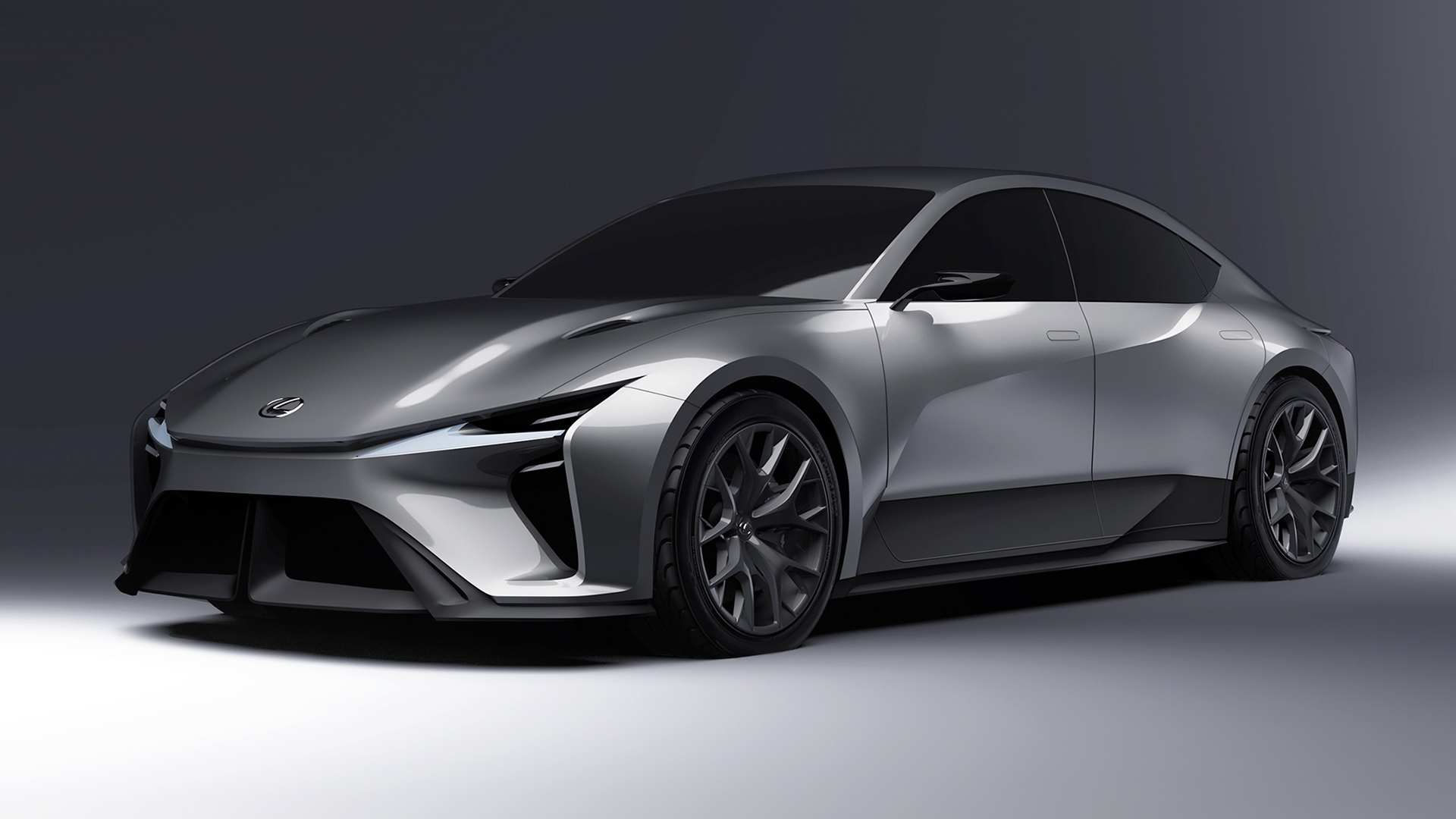
Runs entirely on electricity stored in rechargeable batteries. BEVs produce zero tailpipe emissions and must be charged using an external power source. They are ideal for environmentally friendly and energy-efficient transportation.
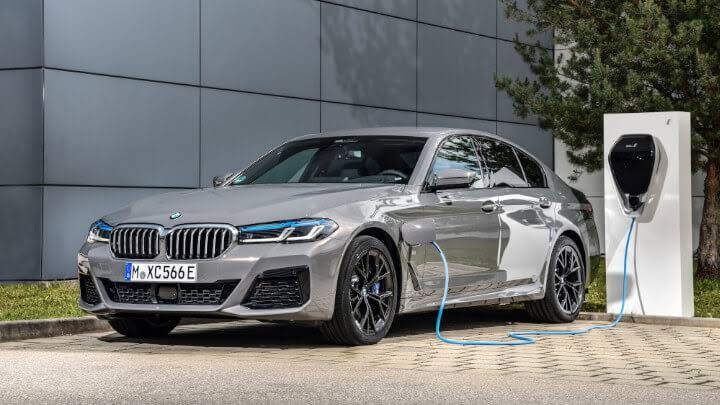
Combines an electric motor with a petrol engine for greater driving flexibility. PHEVs can be charged externally and operate on electricity for shorter trips before switching to fuel when needed.
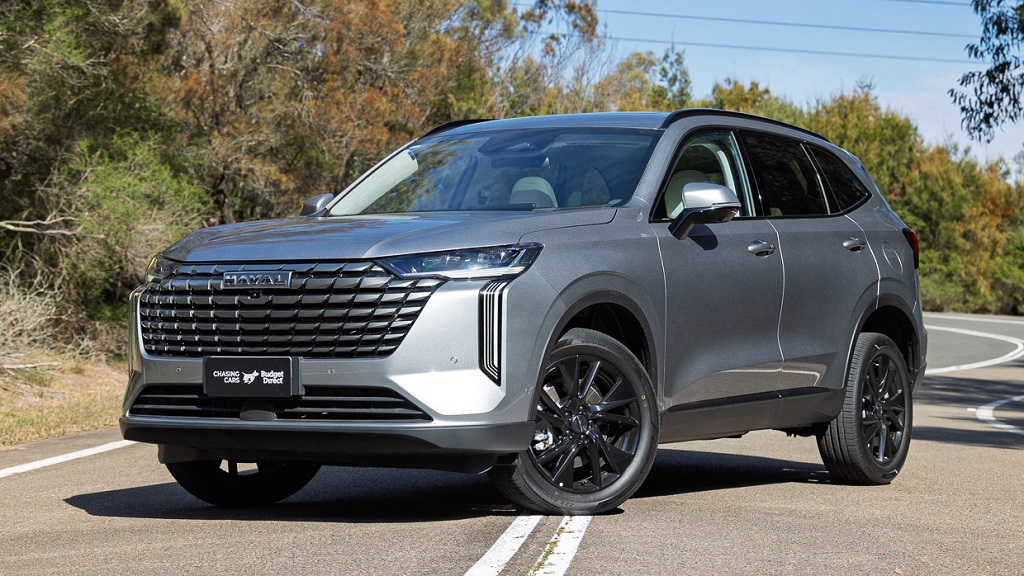
Uses both a petrol engine and an electric motor to improve fuel efficiency. Unlike PHEVs, HEVs do not require external charging because the battery is recharged through regenerative braking while driving.
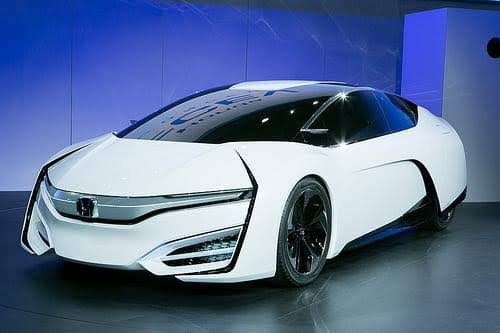
Generates electricity from hydrogen fuel cells instead of rechargeable batteries. FCEVs produce only water vapour as emissions and can be refuelled quickly, making them a promising option for clean and sustainable transportation.