Home Charging
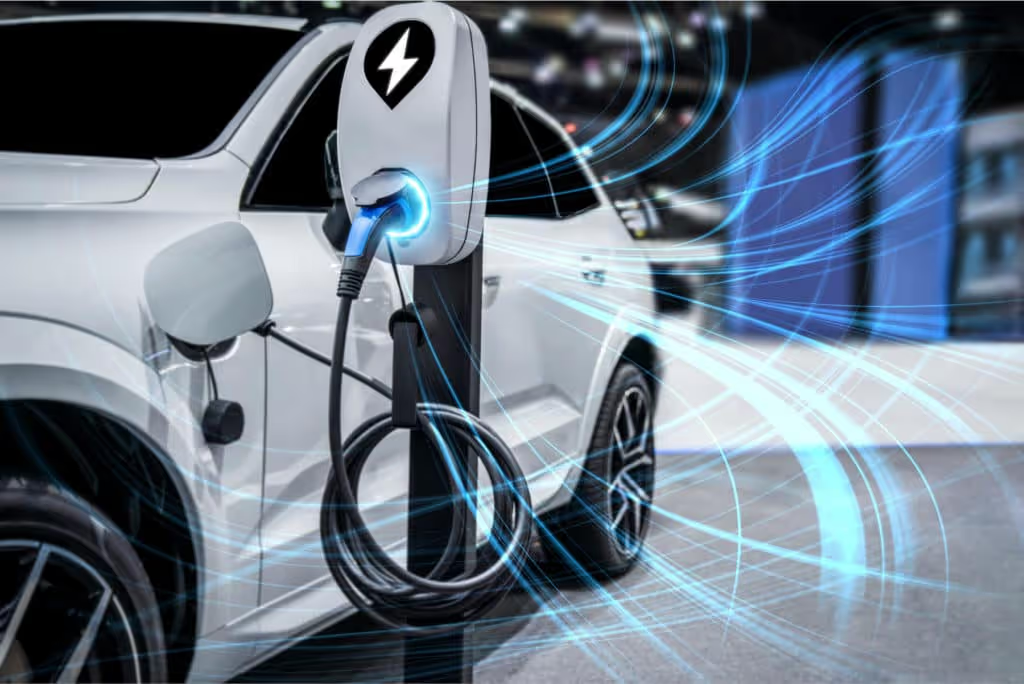
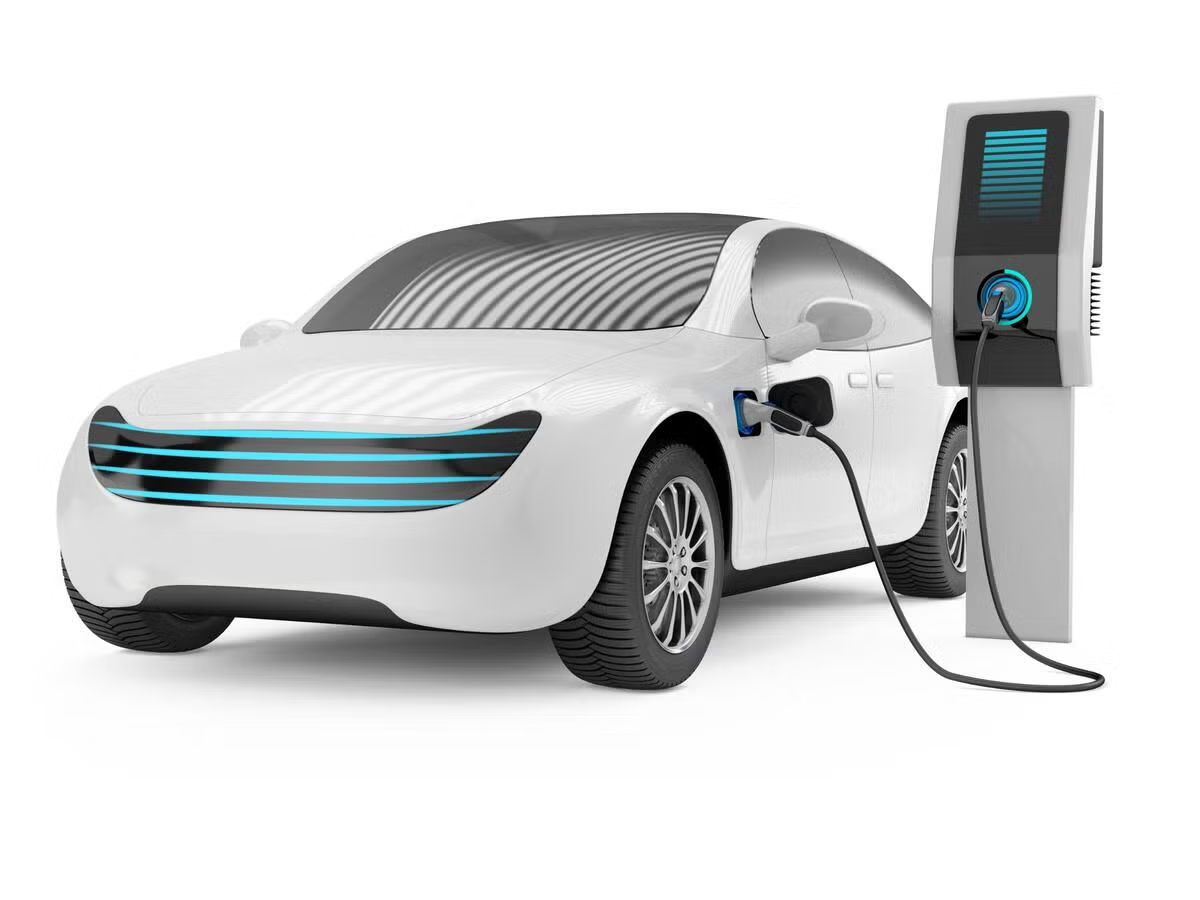
The slowest charging option for an EV, typically taking more than 20 hours and often requiring an overnight charge.
Alternating Current (AC) Charging
Suitable used at homes, Workplaces, and public charging stations, usually take 5 to 6 hours.
Direct Current (DC) Fast Charging
The fastest option, which can charge an EV from around 20% to 80% in roughly 20 to 40 minutes.
AC Charger
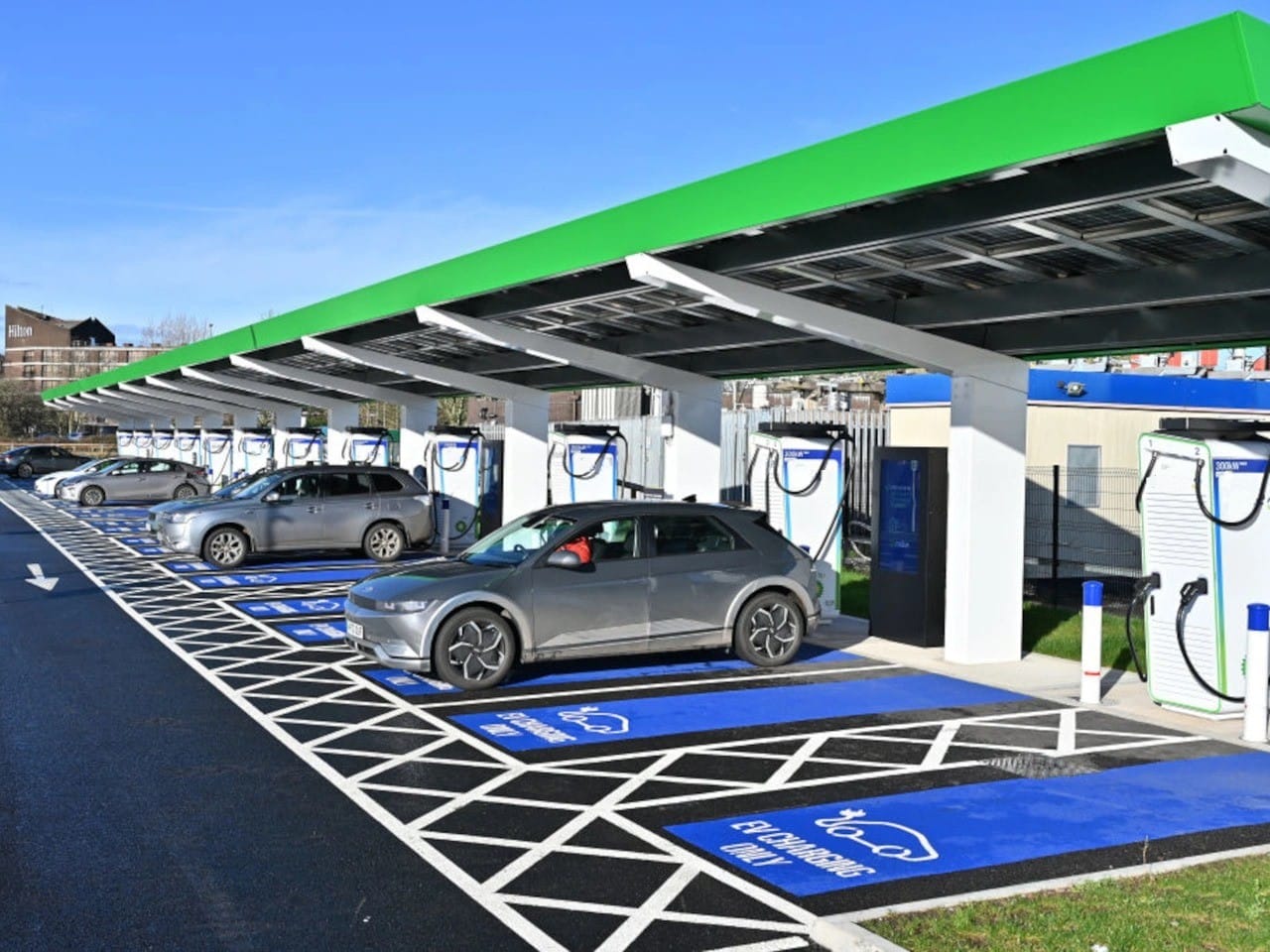
AC chargers are commonly used at homes, workplaces and public charging stations. They provide electricity to the EV's onboard charger, which converts AC power into DC power for the battery.
DC Fast Charger
DC fast chargers supply DC electricity directly to the EV battery, allowing the vehicle to charge much faster than AC chargers.
Portable Charger
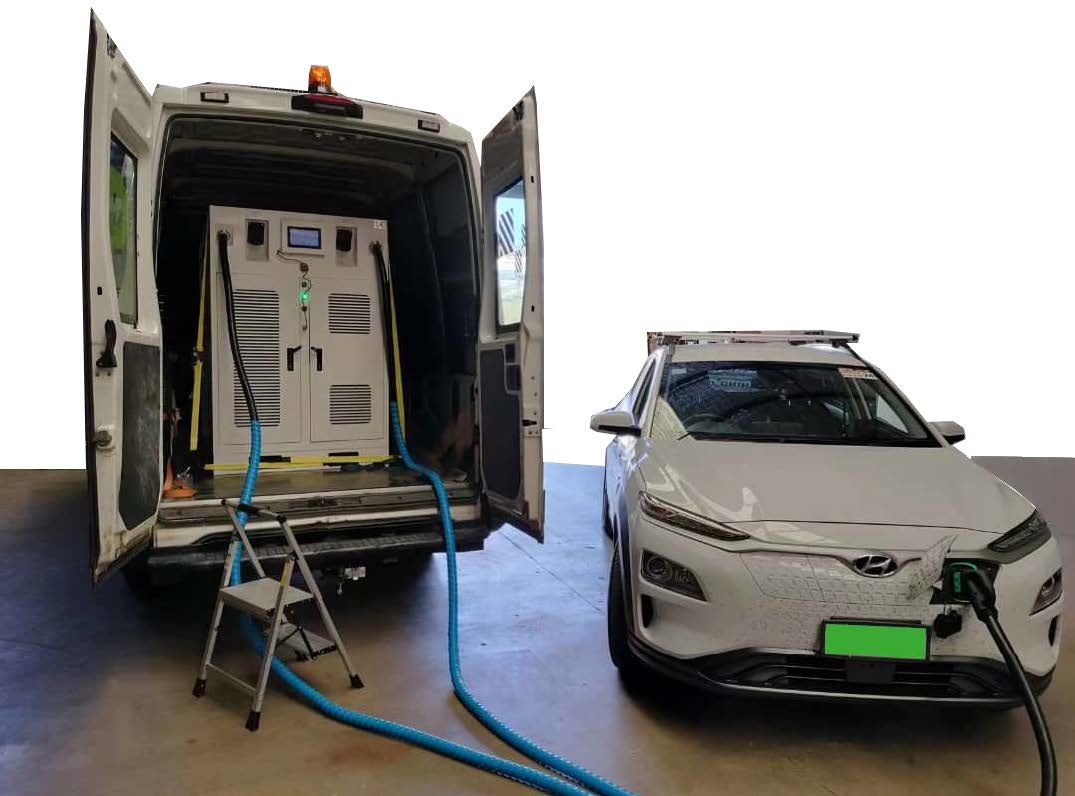
Portable chargers are compact and convenient, allowing EV owners to charge their vehicles from suitable electrical outlets when needed.
State of Charge
Batteries charge faster when they are very low, usually when it is below 10%.
Temperature of Battery
Charging process will be very slow in extreme weather. Try to ensure the temperature of batteries is between 20°C and 35°C.
Battery Deterioration
Battery will deteriorate over time due to capacity loss. Thus, the charging speed will decrease after several years.
Vehicle's Voltage and Current
The vehicle’s voltage and current determine its charging power, with higher voltage or current generally allowing the battery to charge faster.
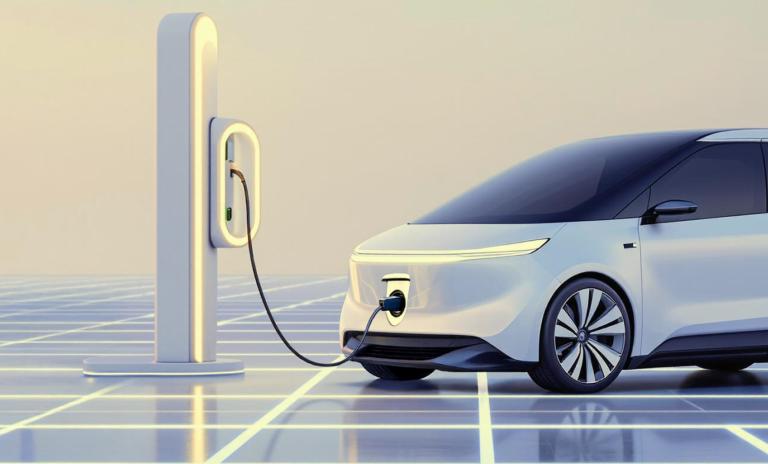
Home Charging
Charging at home using standard TNB tariffs costs around RM0.24 to RM0.44 per kWh, making a full charge cost around RM10 to RM20.
Public AC Charging
Public AC chargers in malls or hotels usually cost between RM1.00 and RM1.15 per kWh, costing around RM40 for a standard top-up.
Public DC Fast Charging
High-speed highway DC fast chargers cost between RM1.10 and RM1.80 per kWh, taking around 20 to 40 minutes for a charge.