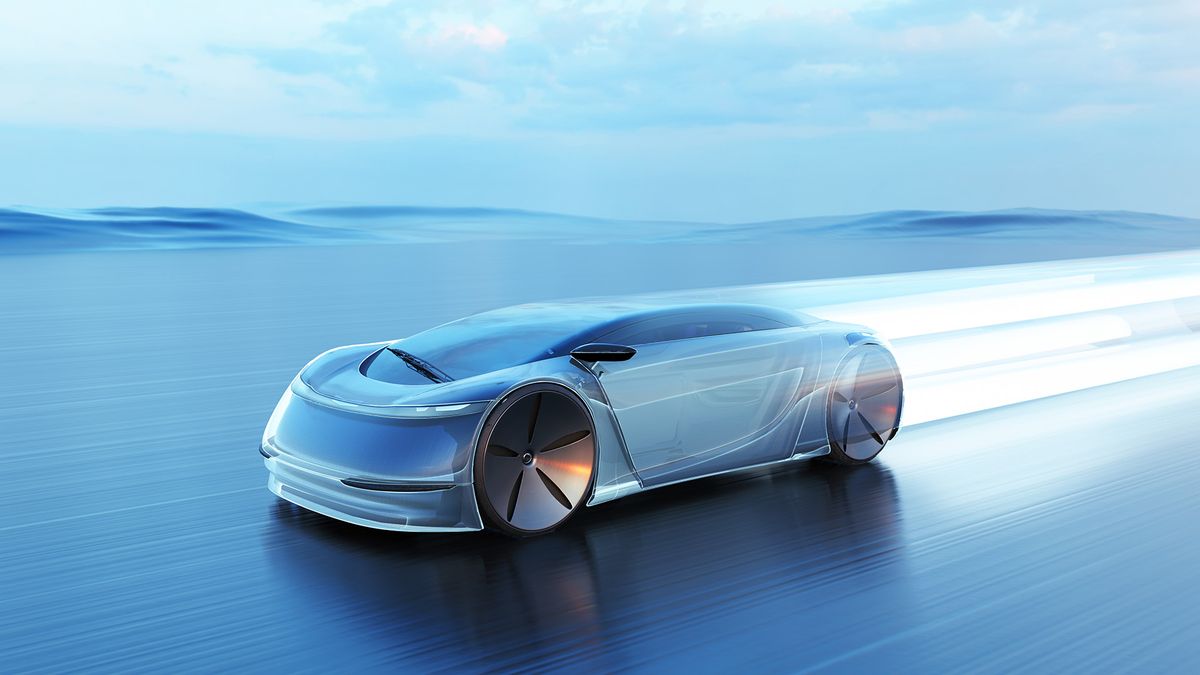

Electric vehicles (EVs) are becoming an increasingly popular choice because they provide numerous benefits for drivers, communities, and the environment. Compared with conventional petrol and diesel vehicles, EVs are more energy-efficient, produce fewer emissions, and offer a cleaner and quieter driving experience.
In addition to their environmental advantages, EVs can help reduce daily transportation costs through lower fuel and maintenance expenses. Continuous improvements in battery technology, charging infrastructure, and government support have also made electric vehicles more practical and accessible for everyday use.
This section explores the major benefits of electric vehicles, including cost savings, environmental protection, charging convenience, lower maintenance requirements, energy efficiency, and enhanced driving experience. Each topic provides detailed information to help you better understand why EVs are becoming the future of transportation.

Electric vehicles (EVs) help reduce the overall cost of transportation by using electricity instead of petrol or diesel, which is generally more affordable and energy-efficient. In addition to lower energy costs, EVs have fewer moving mechanical parts, resulting in reduced maintenance expenses over time. Owners do not need regular engine oil changes or many of the servicing requirements associated with conventional vehicles. These combined savings allow drivers to lower their daily operating costs while enjoying long-term financial benefits throughout the vehicle's lifespan.
Electric vehicles (EVs) require less maintenance than conventional petrol or diesel vehicles because they have fewer moving mechanical parts. Unlike internal combustion engine vehicles, EVs do not require regular engine oil changes, spark plug replacements, or exhaust system maintenance. This helps reduce routine servicing requirements and saves both time and money for vehicle owners.
Another advantage of electric vehicles is their regenerative braking system. This technology slows the vehicle while recovering energy to recharge the battery, reducing wear on the brake pads and extending the lifespan of braking components. As a result, drivers spend less on brake repairs and replacements compared with traditional vehicles.
With fewer components requiring regular servicing and lower repair costs over time, electric vehicles provide a more economical ownership experience. Their reliable design and reduced maintenance needs make EVs an attractive option for drivers looking to minimise long-term vehicle maintenance expenses while enjoying dependable daily transportation.

Electric vehicles contribute to a cleaner environment by producing no tailpipe emissions during operation. This helps reduce air pollution and greenhouse gas emissions, leading to improved air quality and supporting global efforts to combat climate change. In addition, many EV batteries can be recycled or reused after reaching the end of their service life, helping to reduce waste and recover valuable materials. These environmental benefits make electric vehicles a sustainable transportation option for present and future generations.
Electric vehicles (EVs) are an environmentally friendly transportation option because they produce no tailpipe emissions while driving. Unlike conventional petrol and diesel vehicles, EVs do not release harmful pollutants such as carbon dioxide, nitrogen oxides, and particulate matter into the atmosphere. This helps improve air quality and creates a healthier environment for people living in both urban and rural areas.
By reducing greenhouse gas emissions, electric vehicles also contribute to global efforts to combat climate change. As more electricity is generated from renewable energy sources such as solar and wind power, the environmental impact of EVs continues to decrease. This makes electric vehicles an important step towards achieving cleaner and more sustainable transportation.
In addition to reducing emissions, many EV batteries can be recycled and reused after reaching the end of their service life. Battery recycling helps recover valuable materials while reducing waste and minimising environmental pollution. Together, these benefits make electric vehicles a cleaner and more sustainable choice for the future.
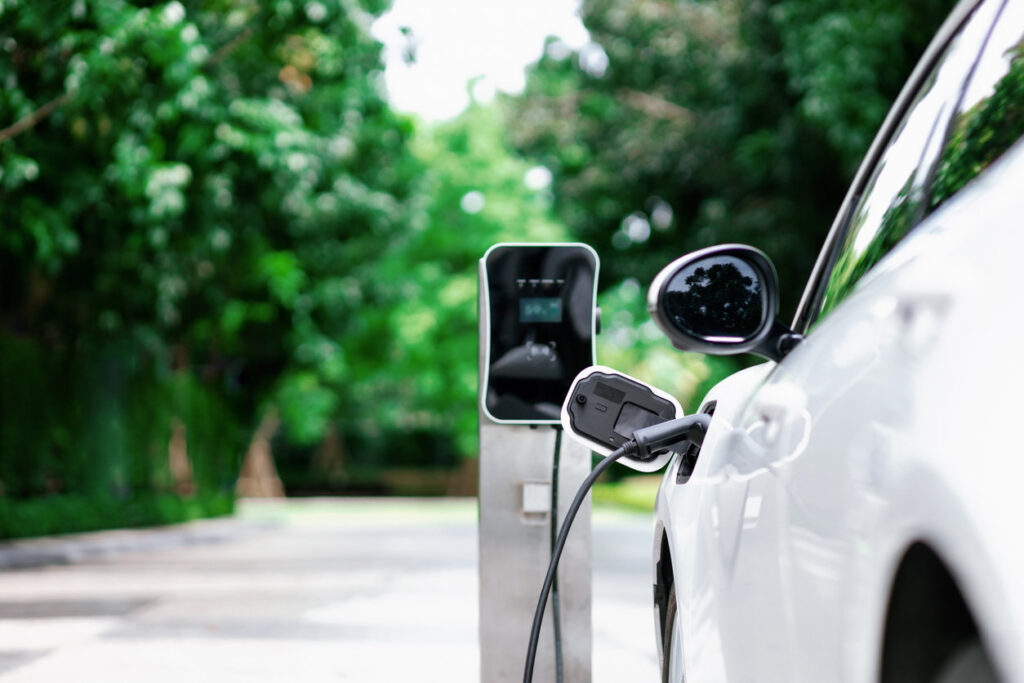
Electric vehicles provide a convenient charging experience by allowing drivers to recharge their vehicles at home or at a growing number of public charging stations. Home charging enables owners to fully charge their EVs overnight, while public charging facilities in shopping malls, workplaces, parking areas, and highways offer greater flexibility when travelling. Fast-charging technology also reduces charging time, making long-distance travel more practical and ensuring drivers can recharge their vehicles with greater ease.
Electric vehicles (EVs) offer a convenient charging experience that fits different lifestyles. Unlike conventional vehicles that depend on petrol stations, EVs can be charged at home using a standard wall outlet or a dedicated home charger. Many owners choose to charge their vehicles overnight, allowing the battery to be fully charged and ready for the next day's journey.
Besides home charging, EV drivers can also use public charging stations located in shopping malls, highways, workplaces, and public parking areas. Fast-charging technology allows batteries to be recharged in a much shorter time, making long-distance travel more convenient while reducing waiting time during journeys.
As charging infrastructure continues to expand, owning an electric vehicle becomes increasingly practical. With the flexibility to charge at home or at public charging stations, drivers can enjoy a reliable and convenient driving experience for both everyday commuting and longer trips.
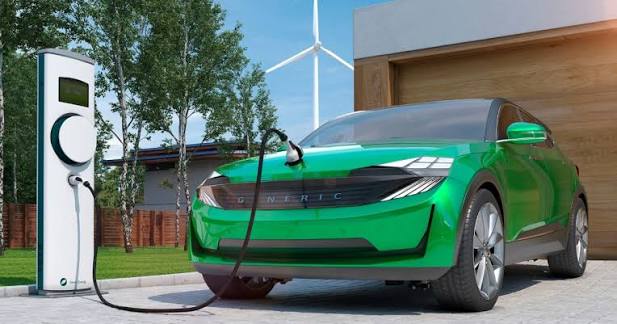
Electric vehicles require less maintenance than conventional petrol or diesel vehicles because they have fewer moving mechanical components. They do not require engine oil changes, spark plug replacements, or exhaust system servicing, reducing routine maintenance requirements. In addition, regenerative braking technology helps minimise wear on brake components, extending their lifespan and lowering repair costs. These advantages make EV ownership more economical while providing reliable performance over time.
Electric vehicles (EVs) require less maintenance than conventional petrol and diesel vehicles because they have fewer moving mechanical parts. Unlike internal combustion engine vehicles, EVs do not require regular engine oil changes, spark plug replacements, or exhaust system servicing. This reduces routine maintenance and helps owners save both time and money throughout the vehicle's lifespan.
Another important advantage of electric vehicles is their regenerative braking system. This technology recovers energy during braking while reducing wear on the brake pads and braking components. As a result, brake parts last longer and require less frequent replacement, further lowering maintenance and repair costs.
With fewer components requiring regular servicing and lower repair expenses, electric vehicles provide a more cost-effective ownership experience. Their simple design and reliable performance make EVs an attractive choice for drivers seeking lower maintenance costs and dependable everyday transportation.

Advances in battery technology have significantly improved the driving range of modern electric vehicles. Many EVs are capable of travelling hundreds of kilometres on a single charge, making them suitable for daily commuting as well as longer journeys. Improved battery efficiency reduces the need for frequent charging, while the continued expansion of public charging networks provides drivers with greater confidence when planning trips. These developments have made electric vehicles a practical and dependable choice for everyday transportation.
Modern electric vehicles (EVs) are equipped with advanced battery technology that provides a much longer driving range than earlier EV models. Many modern EVs can travel hundreds of kilometres on a single charge, making them suitable for both daily commuting and longer journeys. Improved battery performance allows drivers to travel with greater confidence while reducing concerns about running out of power.
A longer driving range means drivers do not need to charge their vehicles as frequently. This makes electric vehicles more convenient for travelling to work, school, shopping centres, or even weekend road trips. Combined with the increasing number of public charging stations, EV owners can enjoy greater flexibility and a smoother driving experience.
As battery technology continues to improve, electric vehicles are becoming more reliable for everyday transportation. Their ability to travel farther on a single charge helps reduce range anxiety and provides greater convenience for drivers. With longer battery life and better energy efficiency, EVs have become a practical and dependable choice for both urban and long-distance travel.
Many governments encourage the adoption of electric vehicles by offering various financial incentives to reduce the cost of ownership. These incentives may include tax rebates, reduced registration fees, road tax exemptions, toll discounts, or subsidies for purchasing new EVs and installing home charging equipment. Such support makes electric vehicles more affordable for consumers while encouraging wider adoption of cleaner transportation. Government initiatives also play an important role in promoting sustainable mobility and reducing environmental impact.
Governments in many countries provide various incentives to encourage the adoption of electric vehicles (EVs). These initiatives are designed to make EV ownership more affordable by reducing the financial burden on buyers. By supporting the transition to cleaner transportation, governments aim to increase the number of electric vehicles on the road and promote a more sustainable future.
Common government incentives include tax rebates, reduced vehicle registration fees, and exemptions from road tax or toll charges. These financial benefits help lower the overall cost of purchasing and owning an electric vehicle, making EVs a more attractive option compared with conventional petrol or diesel vehicles.
Government support plays an important role in encouraging wider EV adoption. As more people choose electric vehicles because of these incentives, the demand for cleaner transportation continues to grow. Together with advancements in EV technology and charging infrastructure, these initiatives contribute to a greener and more sustainable transportation system.