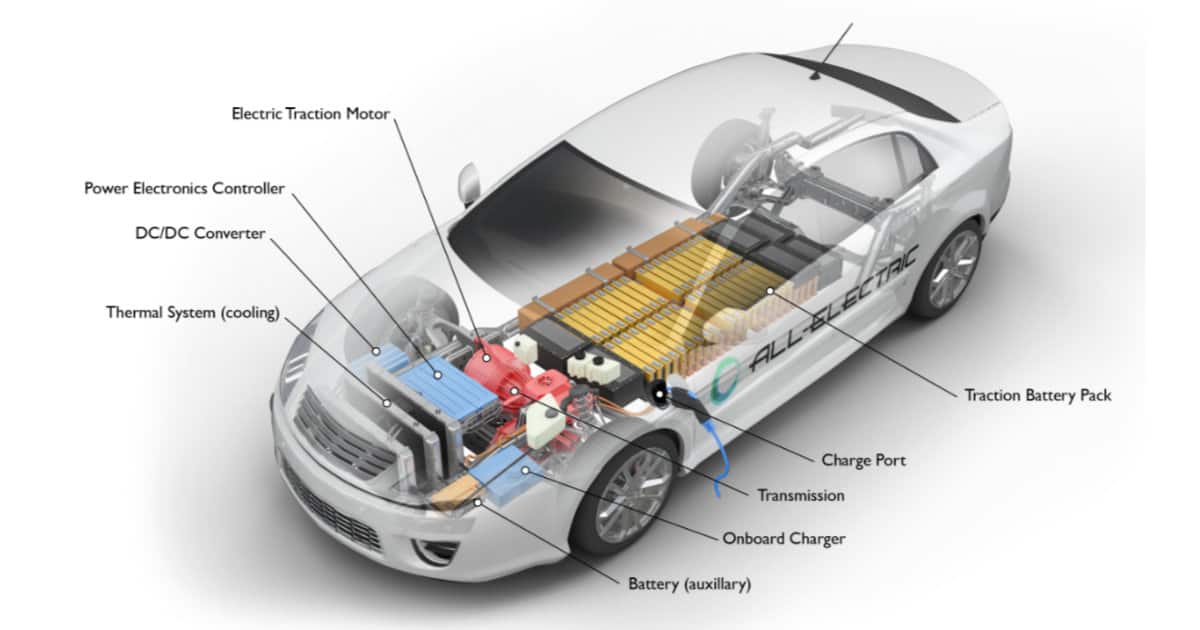
Electric cars operate on a simple principle: instead of using gas to power an internal combustion engine, they use electricity to power an electric motor. The electric motor turns the wheels, which propels the car. Sounds simple, doesn’t it? Yet the world of electric cars extends far beyond this basic principle. The term "electric car" typically refers specifically to battery electric vehicles (BEVs) or all-electric cars, a type of electric vehicle (EV) that has an onboard rechargeable battery pack that can be plugged in and charged from the electric grid, or at home with solar panels, and the electricity stored on the vehicle is the only energy source that provides propulsion for the wheels. The term generally refers to highway-capable automobiles, but there are also low-speed electric vehicles with limitations in terms of weight, power, and maximum speed that are allowed to travel on certain public roads.
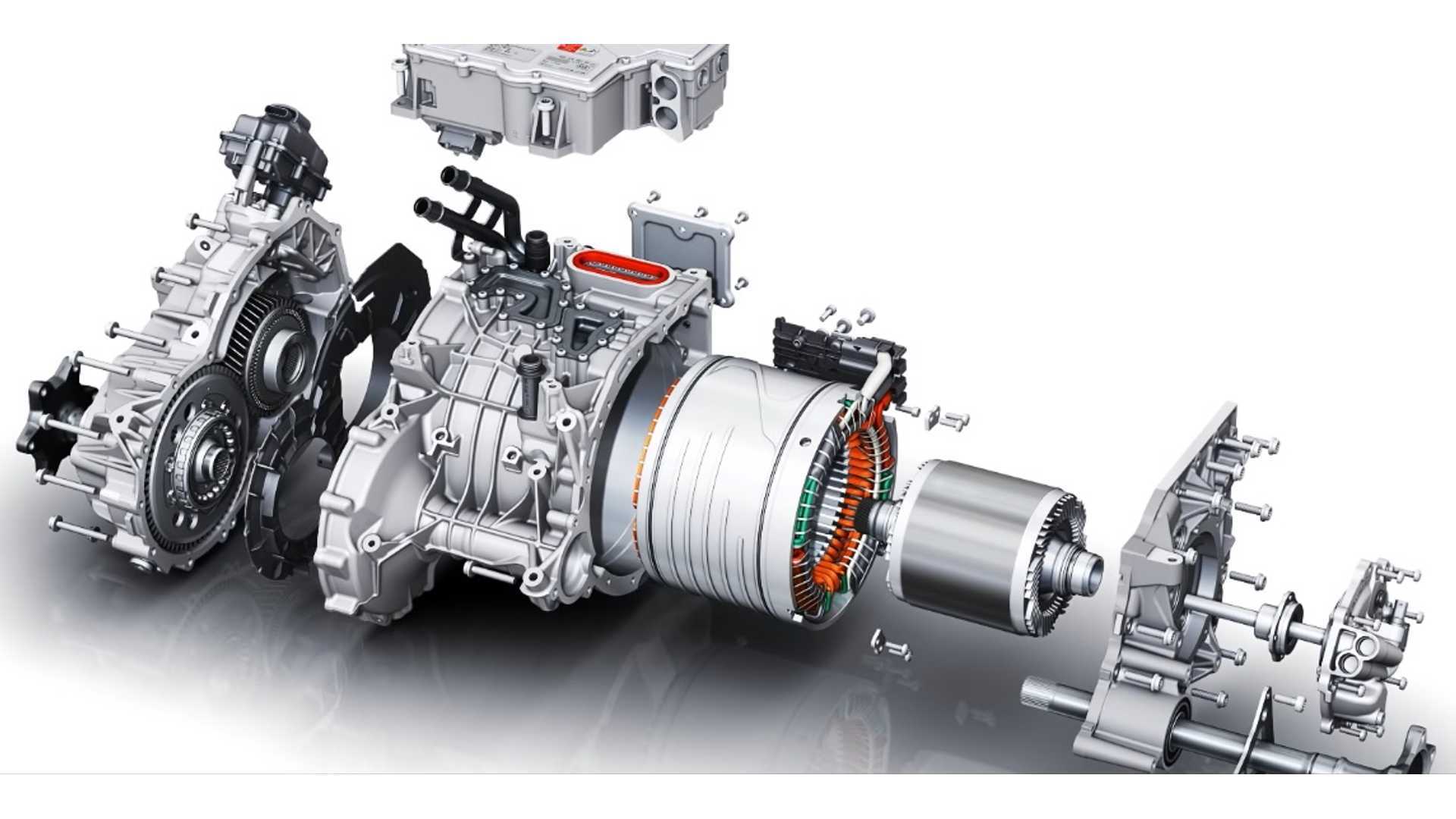
This device powers a vehicle by converting electrical energy into mechanical energy.
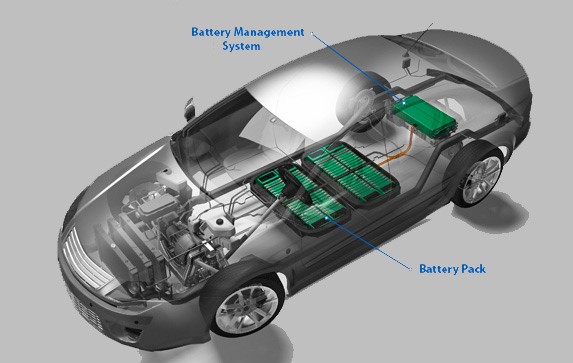
The battery pack is supervised by the battery management system.
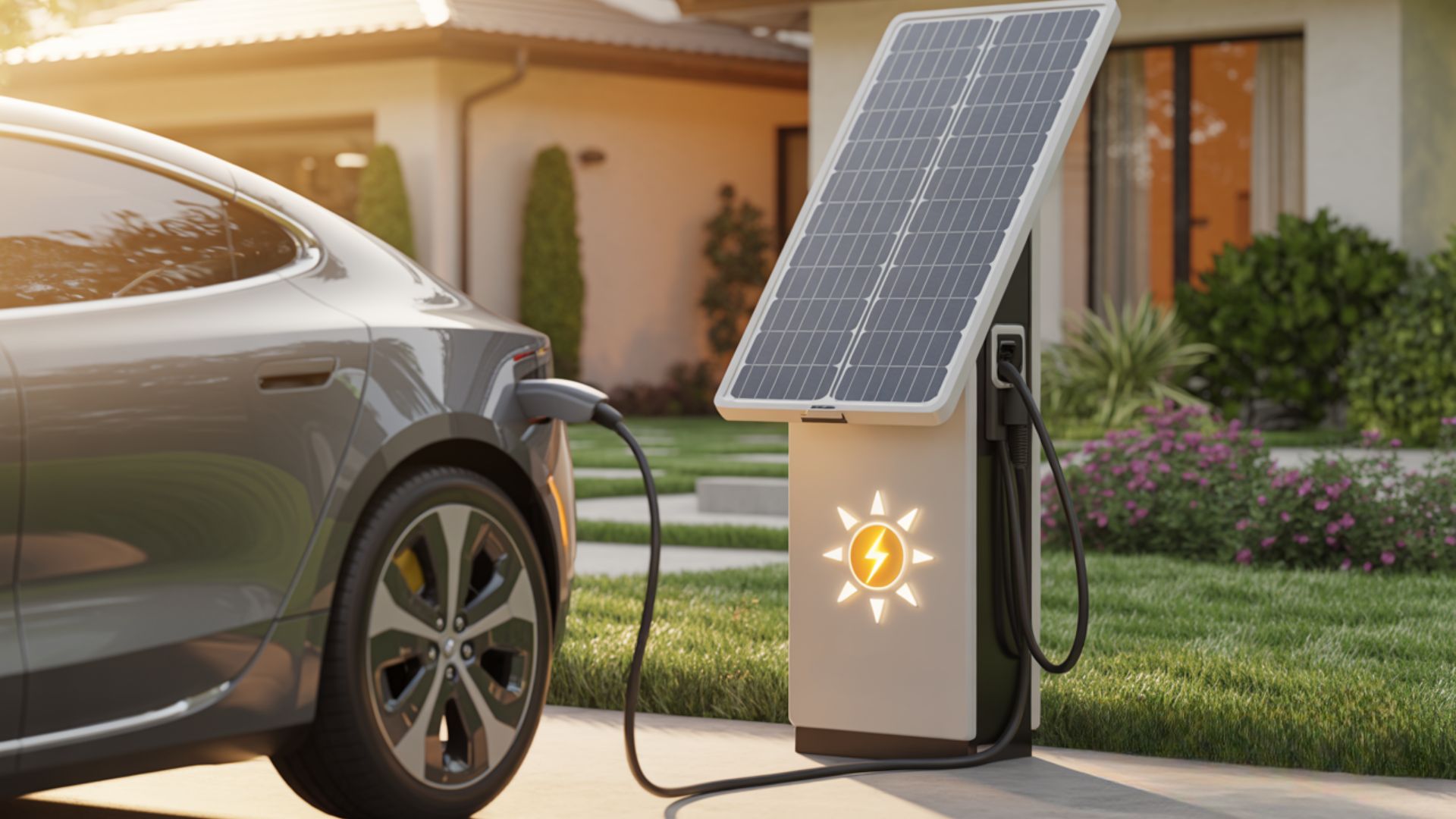
Fast and regular charging options are provided by the onboard charger in the charging system.
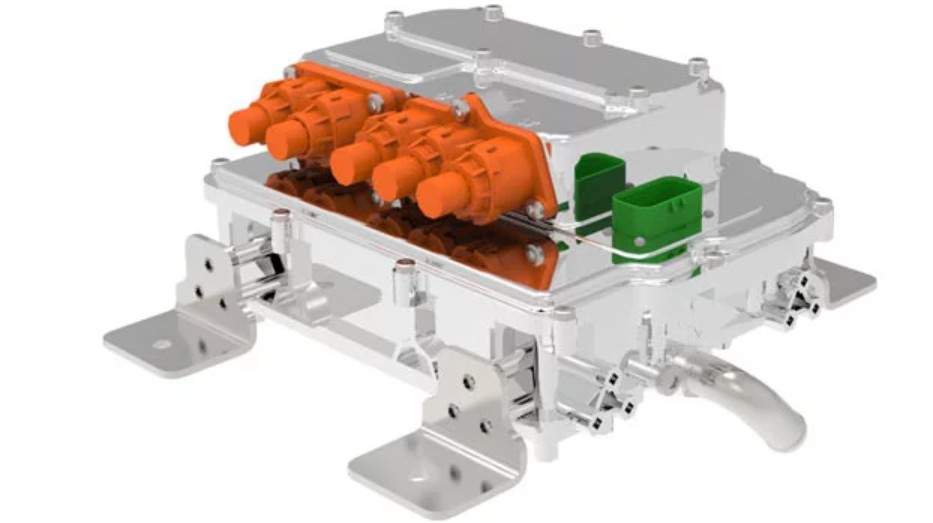
Regulates the e-Machine's speed and torque by converting DC to AC energy.
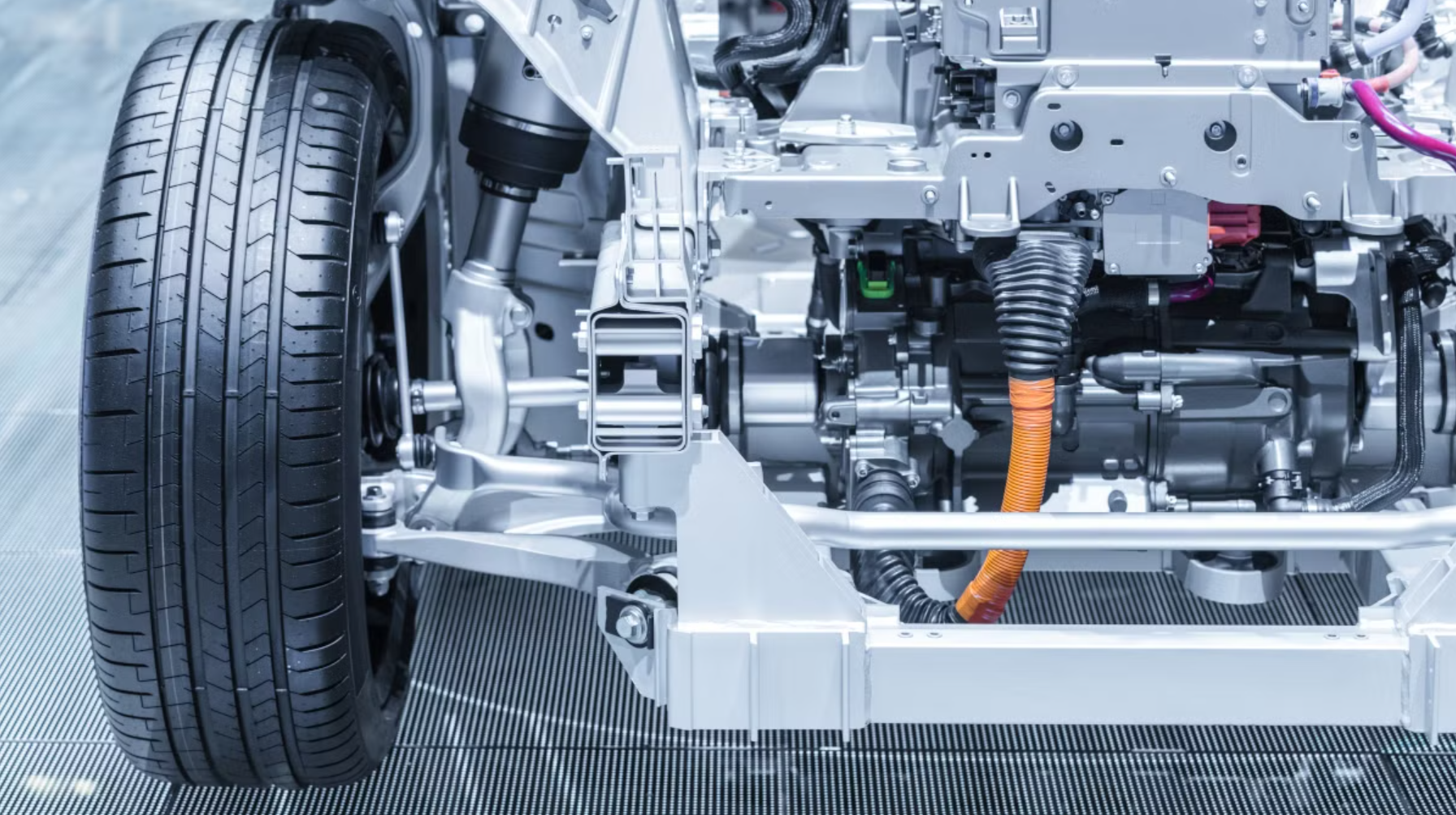
Converts kinetic energy generated during braking into stored energy in the battery.
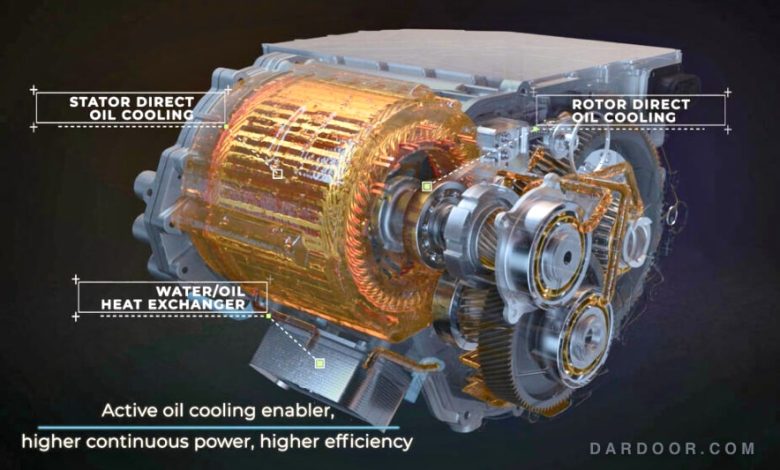
Regulates the temperature of the battery and components to guarantee efficiency.